

Beschrijving
6061 en 6063 zijn twee veel voorkomende soorten aluminium profielen gebruikt in verschillende industrieën.
6061 aluminium profielen staan bekend om hun sterkte, duurzaamheid, en corrosiebestendigheid. Ze worden vaak gebruikt in toepassingen waar hoge sterkte en stijfheid vereist zijn, zoals de lucht- en ruimtevaart, automotive, en bouwtechniek. 6061 aluminium profielen zijn uitstekend bewerkbaar en kunnen gemakkelijk worden gelast, waardoor ze een populaire keuze zijn voor fabricage op maat.
6063 aluminium profielen, anderzijds, staan bekend om hun uitstekende afwerkingseigenschappen en esthetische aantrekkingskracht. Ze worden vaak gebruikt in toepassingen waar uitstraling belangrijk is, zoals architectonische en decoratieve toepassingen. 6063 aluminium profielen hebben een goede corrosieweerstand en zijn gemakkelijk te extruderen, waardoor ze een populaire keuze zijn voor aangepaste extrusies.
Beide 6061 en 6063 aluminium profielen zijn veelzijdig en kunnen in een breed scala aan toepassingen worden gebruikt. De keuze tussen beide hangt af van de specifieke eisen van de toepassing, zoals kracht, duurzaamheid, en uiterlijk.
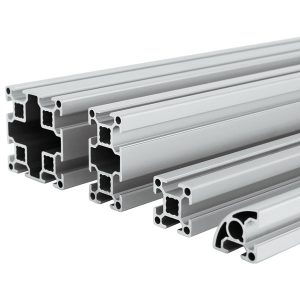
Als toonaangevende fabrikant van geavanceerde en zeer gespecialiseerde aluminium extrusiesprofielen. Wij bieden een assortiment op maat gemaakte aluminium profielen, aluminium extrusies, en grote structurele extrusie. De aluminium profielen zijn ideaal voor constructies in de machine- en installatiebouw. Groot voordeel is het lage gewicht van de profielen en een flexibele verbindingstechniek.
6061 6063 Aluminium profielen fabrikant RAYIWELL MFG uit China. Aluminium profielen kan worden onderverdeeld in 1024, 2011, 6063, 6061, 6082, 7075 en andere legeringskwaliteiten van aluminiumprofielen, waarvan 6 serie is de meest voorkomende. Het verschil tussen verschillende kwaliteiten is dat de verhouding van verschillende metaalcomponenten verschillend is, behalve algemeen gebruikt aluminium profielen voor deuren en ramen Naast architecturale aluminium profielen zoals 60 serie, 70 serie, 80 serie, 90 serie, en vliesgevelserie, er is geen duidelijk modelonderscheid voor industriële aluminiumprofielen, en de meeste fabrikanten verwerken ze volgens de daadwerkelijke tekeningen van klanten.
Aluminium profielen een dergelijke oppervlaktebehandeling hebben
1. Geanodiseerd aluminium
2. Elektroforetische coating van aluminium
3. Gepoedercoat aluminium
4. Houtnerfoverdracht aluminium
5. Fluorkoolstof gespoten aluminium
6. Gepolijst aluminium (verdeeld in mechanisch polijsten en chemisch polijsten, waaronder chemisch polijsten de hoogste kosten en de duurste prijs heeft)
Aluminium profielen zijn producten geboren uit aluminiumlegeringen die door het extrusieproces worden omgezet in gevormde voorwerpen. De unieke combinatie van fysieke kenmerken van aluminium hangt grotendeels van dit proces af. Aluminiumextrusies worden op verschillende gebieden gebruikt omdat dit metaal dat is: Sterk en stabiel.
Soorten aluminium profielen
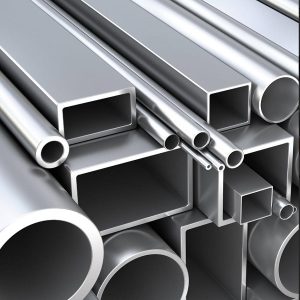
- Holle balk.
- Vierkant profiel.
- SD aluminium profiel.
- RCW-profiel.
- Deursectie.
- Louvre-profiel.
- T-sectie
-
Legering en Fe met Mn mg Cr Zn Ti Onzuiverheid al Eenheid Totaal 6063 0.2-0.6 <0.35 <0.1 <0.1 0.45-0.9 <0.1 <0.1 <0.1 <0.05 <0.15 Overschot 6061 0.4-0.8 0.7 0.15-0.4 <0.15 0.8-1.2 0.04-0.35 <0.25 <0.15 <0.05 <0.15 Overschot 6005 0.6-0.9 <0.35 <0.1 <0.1 0.4-0.9 0.1 <0.1 <0.1 <0.05 <0.15 Overschot 6060 0.3-0.6 0.35-0.6 0.1-0.3 <0.1 <0.1 <0.15 <0.05 <0.1 <0.05 <0.15 Overschot - Typisch gebruik van 6061 Representatieve toepassingen zijn onder meer lucht- en ruimtevaartarmaturen, elektrische armaturen, communicatie, en worden ook veel gebruikt in geautomatiseerde mechanische onderdelen, precisie bewerking, matrijzenbouw, elektronica en precisie-instrumenten, SMT, Soldeervoertuigen voor printplaten, enz.
Aluminium producten gemaakt van aluminium en andere legeringselementen. Meestal wordt het verwerkt tot gietstukken, smeedstukken, folies, platen, stroken, tubes, staven, profielen, enz., en vervolgens verwerkt door koudbuigen, zagen, boren, assembleren, en kleuren. Het belangrijkste metalen element is aluminium, het toevoegen van enkele legeringselementen om de prestaties van aluminium te verbeteren
Extrusie van aluminium profielen is een productieproces waarbij complexe vormen en ontwerpen worden gemaakt met aluminium als primair materiaal. Het proces omvat het persen van gesmolten aluminium door een matrijs, dat is een speciaal ontworpen gereedschap dat het aluminium in het gewenste profiel vormt.
Het extrusieproces van aluminium profielen begint met het maken van een matrijs, dat meestal is gemaakt van staal of een ander duurzaam materiaal. De matrijs is ontworpen om de gewenste vorm of profiel van het eindproduct te produceren. Zodra de dobbelsteen is gemaakt, het wordt op een pers gemonteerd en verwarmd tot een temperatuur die hoog genoeg is om het aluminium te smelten.
Het aluminium wordt vervolgens in een trechter geladen, die het in de pers brengt. De pers oefent druk uit op het gesmolten aluminium, door het door de dobbelsteen te dwingen. Terwijl het aluminium door de matrijs gaat, het wordt afgekoeld en gestold, het vormen van de gewenste vorm of profiel.
Nadat het aluminium is geëxtrudeerd, het wordt op de gewenste lengte gesneden en kan aanvullende bewerkingen ondergaan, zoals oppervlakteafwerking, bewerking, of montage. De resulterende aluminium profielen kunnen in een breed scala aan toepassingen worden gebruikt, inclusief constructie, automotive, ruimte, en consumentenproducten.
-
-
-