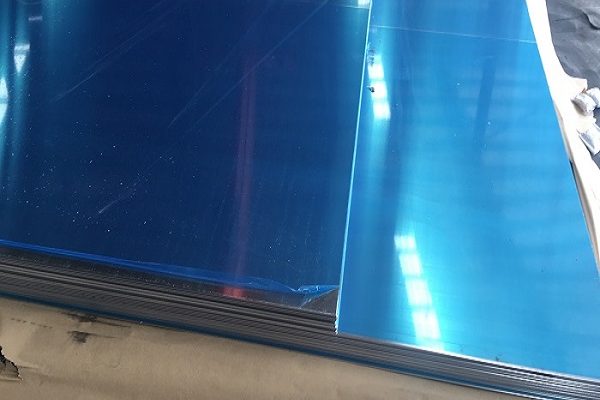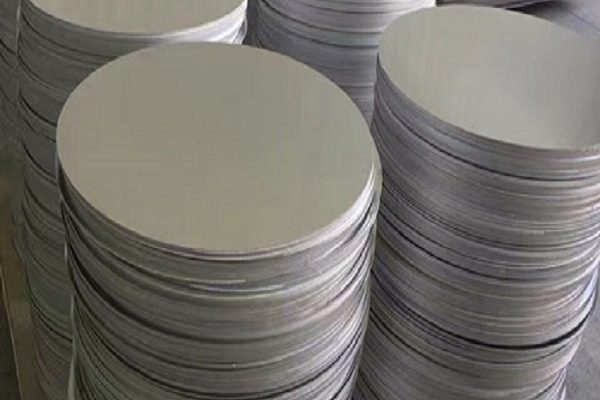


Alumīnija rūpniecība pēdējo desmitgažu laikā ir piedzīvojusi ievērojamu izaugsmi, pateicoties tās unikālajām īpašībām un daudzpusīgajiem lietojumiem. As the world becomes increasingly focused on sustainability and reducing carbon emissions, the aluminium industry is well-positioned to meet these demands. In this article, we will explore the key trends and forecasts for the aluminium industry in the coming years.
The future of the aluminium industry looks bright, with continued growth and technological advancements in the sector. The industry is expected to grow at a compound annual growth rate of around 6.5% no 2021 līdz 2026, according to a report by MarketsandMarkets. The increasing demand for lightweight and fuel-efficient vehicles, rising infrastructure spending, and the growing packaging industry are some of the factors driving the growth of the industry.
Sustainability is a major driver of demand for aluminium. The metal is infinitely recyclable, and the recycling process requires only a fraction of the energy needed to produce new aluminium from raw materials. As companies and governments become more focused on reducing their carbon footprints, the demand for aluminium as a sustainable material is expected to increase.
The automotive industry is a major consumer of aluminium due to its lightweight and strength properties. As electric vehicles become more popular, the demand for aluminium is expected to increase even further. alumīnijs is an ideal material for lightweight electric vehicles, as it reduces the weight of the vehicle, allowing for longer driving ranges and increased efficiency.
The construction industry is another significant consumer of aluminium. Aluminium is widely used in building facades, logi, and roofing due to its strength, izturība, un izturība pret koroziju. As the construction industry continues to grow globally, the demand for aluminium is expected to increase

anodized aluminum extrusion profile
The aerospace industry is another significant consumer of aluminium. The metal is used extensively in the construction of aircraft due to its lightweight and strength properties. As air travel continues to grow, the demand for alumīnijs in the aerospace industry is expected to increase.
The Asia-Pacific region is expected to dominate the global aluminium market in terms of both production and consumption. The region’s growth can be attributed to the booming construction and automotive industries in countries such as China and India
Researchers are exploring new applications for aluminium, such as in the field of renewable energy. Aluminium is being investigated as a potential material for wind turbine blades due to its lightweight and strength properties.
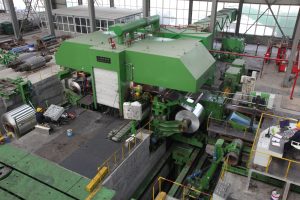
aluminum sheet processing
Despite the many opportunities for growth in the aluminium industry, there are also challenges to be addressed. One of the primary challenges facing the industry is the fluctuation of aluminium prices due to market supply and demand. Papildus, the industry faces increasing competition from other materials such as carbon fiber and composites.
Tomēr, the aluminium industry is also presented with opportunities to innovate and develop new technologies. Piemēram, researchers are exploring new ways to produce aluminium that is even more sustainable and cost-effective. The industry can also leverage digital technologies such as artificial intelligence and machine learning to improve manufacturing processes and reduce waste.
In conclusion, the aluminium industry is poised for continued growth in the coming years. The increasing demand for sustainable materials, coupled with the growing use of aluminium in various industries, presents significant opportunities for the industry. Tomēr, the industry must also address the challenges of market fluctuations and increasing competition from other materials. By embracing innovation and new technologies, the aluminium industry can continue to thrive and contribute to a more sustainable future.